Iran's Strategy: External Conflict Over Internal Peace
Leaders within the Iranian regime appear to favor ongoing confrontation with the United States and its regional Gulf allies rather than pursuing peaceful resolutions, a strategy aimed at keeping their dissatisfied populace under control, according to one human rights expert.
Recent days have seen renewed U.S. airstrikes against Iranian targets, following a brief lull in hostilities amidst fresh escalations in the vital Strait of Hormuz.
Observing the situation, human rights advocate Sadeghpour highlighted that U.S. officials had previously offered assurances to Tehran, proposing a path toward peace for Iran. However, these offers did not prevent further aggression.
"You get America to give you a guarantee that it wouldn't seek regime change. Nevertheless, they still attacked ships afterward," Sadeghpour stated. "They still attacked our bases in Jordan and Bahrain. So that speaks to the fact that the real threat to the regime is not the bombs from outside, but rather the population uprising."
He further elaborated on the regime's nature, asserting, "For a regime that's militarized and requires friction, its survival now depends on that friction."
Deep-Seated Internal Discontent Fuels Regime's Fear
Iran has been grappling with significant internal uprisings in recent years, largely driven by a collapsing economy, high inflation rates, and profound dissatisfaction with the regime's stringent interpretation of Islamic law. Human rights observers have documented the Iranian government's use of deadly force, arbitrary arrests, and detentions to suppress anti-government protests and riots.
Sadeghpour contends that engaging in conflict with the U.S. benefits the regime by redirecting the Iranian public's focus away from domestic grievances.
Persistent Tensions in the Strait of Hormuz
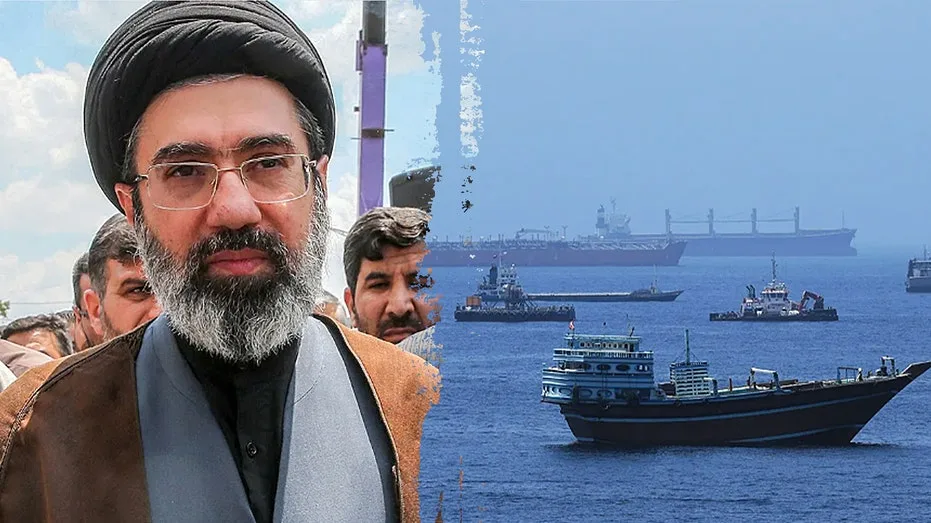
Meanwhile, Iran has reportedly continued to target commercial vessels in the Strait of Hormuz, actions that Vice President JD Vance noted on Thursday violate previous agreements. Vance commented on the situation, stating,
"The Iranians are doing what the Iranians do. I think that they're losing their capabilities by the day. I think they're realizing… that their control over the Strait of Hormuz is effectively gone, and it's a diminishing asset."
Shifting Focus for Potential Change
To achieve a change in leadership, Sadeghpour suggested that the U.S. should direct its efforts toward supporting the Iranian population, as he believes Iranian leaders are likely to prolong conflict with the U.S. for as long as possible.
"The regime is thinking about the day, the hour after the exhausted population gets calm, and will immediately look around, 'how am I going to get rid of this regime? And who's going to help me do that?' And so that is what the regime is afraid of," he explained.<
Separately, former President Donald Trump remarked on Wednesday that he is not prioritizing bringing Tehran to the negotiating table, asserting that he "couldn't care less" if Iran enters into what he termed a "worthless" agreement.
"They are just playing out the inevitable," Trump posted on Truth Social. "When are the Iranian people going to rise up and fight?"