Building the AI Economy: Why America Needs a Skilled Trades Boom for its Digital Future
As tech giants invest billions in AI infrastructure, a critical shortage of electricians, construction workers, and technicians threatens progress, pointing to a Swiss-style apprenticeship model as a potential solution.
Opinion·
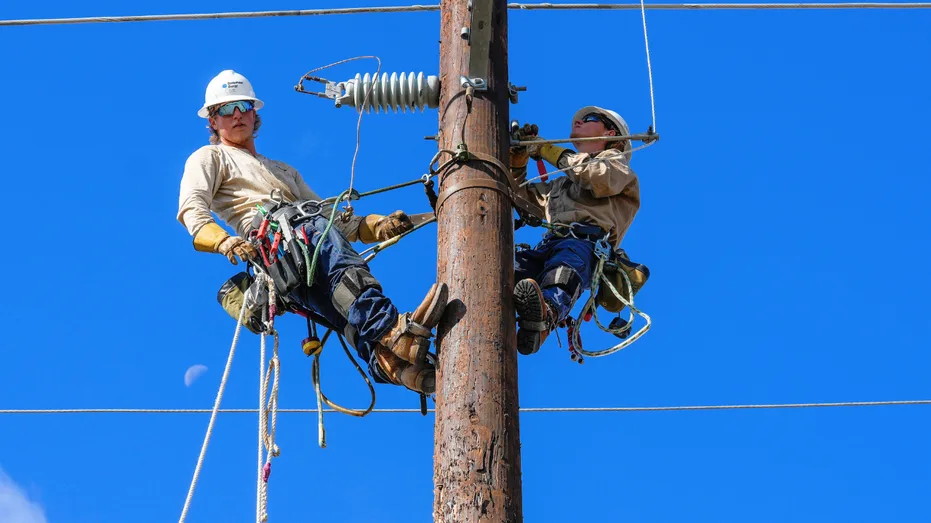
The burgeoning field of artificial intelligence (AI) is increasingly reliant not just on software engineers and data scientists, but critically on skilled trades professionals. Construction workers, electricians, and factory technicians are becoming indispensable to building the physical infrastructure that powers the AI economy.
Major technology companies, including Alphabet, Microsoft, Meta, and Amazon, are committing immense capital to new AI data centers, with expenditures estimated to reach approximately $700 billion this year alone. This figure does not even account for the significant investments needed for grid modernization and expanding semiconductor manufacturing capacity. Yet, these ambitious endeavors consistently face a significant hurdle: a shortage of trained workers capable of constructing the complex infrastructure required for AI.
According to some analyses, the United States is projected to need an additional 140,000 skilled trades workers—such as electricians, HVAC technicians, welders, and general construction personnel—by 2030 to adequately support the rapidly expanding AI infrastructure. The challenge lies in developing a robust pipeline to meet this escalating demand.
Learning from the Swiss Apprenticeship Model
A potential blueprint for addressing this workforce gap can be found in Switzerland. The nation's comprehensive apprenticeship system has played a pivotal role in cultivating one of the world's most innovative economies. This success stems from its ability to create defined pathways into skilled technical professions for young individuals.
At a time when America's AI aspirations are encountering significant labor constraints, a model akin to Switzerland's could provide precisely the kind of workforce development framework the United States requires.
Switzerland’s Vocational Education and Training (VET) system, widely recognized as an apprenticeship model, allows students as young as 15 to undertake apprenticeships with companies across various sectors. Participants gain practical, on-the-job experience while simultaneously acquiring industry-specific knowledge and skills in a classroom setting.
This system has garnered widespread participation, with approximately 70% of each Swiss age group engaging in apprenticeship programs. These opportunities span a broad spectrum of industries, from manufacturing and pharmaceuticals to construction, banking, and healthcare. Significantly, these vocational paths are not terminal; upon completion of their apprenticeships, students have the flexibility to either remain in their chosen field or pursue higher education at a university.
Benefits for Businesses and the Economy
For businesses, these apprenticeship programs often represent sound financial investments, yielding an average internal rate of return between 7% and 10%. The system is also largely self-sustaining, as many apprentices choose to continue working for the companies where they received their training. This helps businesses not only fill immediate roles but also recruit and develop future talent effectively.
Furthermore, because these programs are primarily guided by private companies, they are inherently responsive to the current demands of the labor market. This employer-driven approach ensures that apprentices are taught the most relevant and up-to-date skills, enabling training programs to adapt swiftly to changes in fast-evolving industries and helping companies to bridge critical workforce deficiencies.
Addressing US Labor Shortages and Future Demand
Implementing a similar model could significantly alleviate the United States' ongoing labor shortages, especially as demand for these skilled workers is projected to intensify. Jensen Huang, CEO of Nvidia, recently highlighted this trend, predicting
Related Stories

Democratic Socialists and Hasan Piker Mark a Defining Summer for American Politics
This summer is increasingly defined by the growing presence of the Democratic Socialists of America (DSA) in electoral politics and the controversial rise of streamer Hasan Piker, whose radical views and rhetoric are
Sep 1

Is US Innovation Lagging China in Critical Military and Commercial Logistics?
Challenges in military resupply highlight the critical need for innovation and efficient logistics. From vital parts like aircraft rivets to advanced robotics, the pace of technological development, particularly in
Aug 31

Alaska's Mineral Riches Present Strategic Opportunity for U.S. Economic and National Security
Securing critical mineral access is vital for U.S. economic growth, technological advancement, and national defense. Alaska holds vast untapped reserves, including graphite, which could significantly reduce dependence
Aug 31
Data Center Debates Intensify: Balancing Energy Costs, AI Leadership, and the 2028 Political Landscape
The national discussion on data center expansion is intensifying, raising concerns about electricity bills and the future of artificial intelligence development. This complex issue is influencing political strategies,
Aug 31