Tennessee Mayor Urges Nationwide Halt on Flock Safety Camera Deployment, Citing Constitutional Worries
Knox County Mayor Glenn Jacobs advocates for a national moratorium on the installation of Flock Safety surveillance cameras, highlighting significant privacy and constitutional questions.
Media·
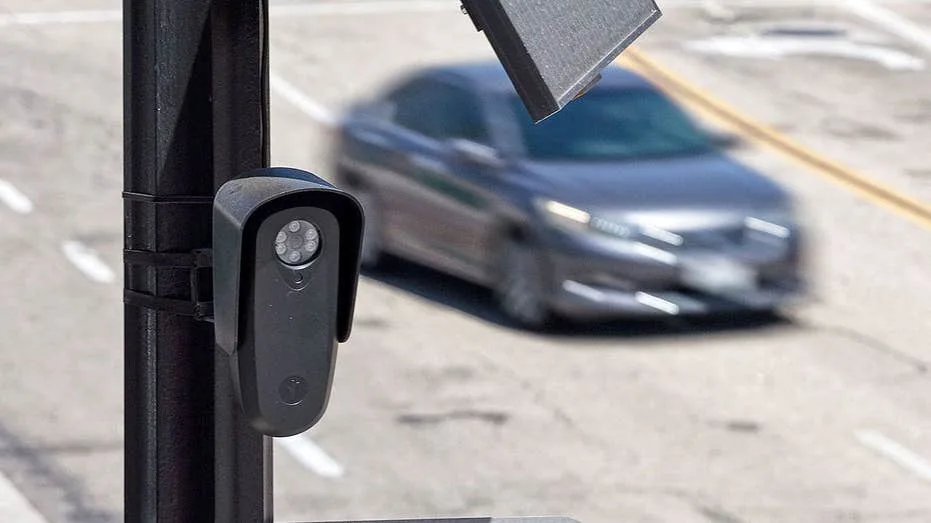
Knox County, Tennessee, Mayor Glenn Jacobs has advocated for a "nationwide pause" in the rollout of Flock Safety surveillance cameras. He asserts that this technology presents considerable constitutional, privacy, and safety issues, arguing it currently operates without adequate safeguards.
While acknowledging that law enforcement agencies require effective tools to combat crime, Mayor Jacobs stressed that the newer generation of Flock technology surpasses the capabilities of traditional license plate readers. He contends that such systems should not be widely deployed until robust constitutional guardrails and a contemporary regulatory structure are firmly established.
"This is not about depriving [law enforcement] of the tools. It's about figuring out how these tools can be used in an appropriate manner that is consistent with the Constitution," Jacobs stated, referencing "dozens of cases" where the technology's use allegedly led to abuse.
He further elaborated on the absence of a comprehensive federal regulatory framework specifically governing Flock cameras. Jacobs noted that existing Tennessee statutes concerning license plate readers date back to 2014, with only a minor revision in 2021. Given the significant technological advancements since then, he believes the legal framework is outdated. "We want [law enforcement] to have the tools they need. At the same time, those tools have to conform to the Constitution," he emphasized.
Widespread Adoption and Concerns
Flock Safety, a prominent provider of automated license plate recognition systems, has witnessed a rapid surge in adoption by law enforcement agencies, municipal governments, and private businesses in recent years.
Estimates from the American Civil Liberties Union (ACLU) suggest that between 80,000 and 100,000 Flock cameras are currently in operation across the United States. The company's own promotional materials indicate its presence in over 6,000 communities, collaboration with more than 1,000 businesses, and partnerships with over 5,000 law enforcement entities nationwide, collectively scanning billions of vehicles each month.
Growing National Debate Over Accuracy and Privacy
This surveillance system, which Mayor Jacobs described as "notoriously erroneous," has increasingly become a focal point of national debate. Discussions are emerging across the country, including in West Virginia, where members of the state's Freedom Caucus are actively pursuing legislation to impose a statewide prohibition on these AI-powered cameras. Their argument centers on the belief that the technology infringes upon citizens' Fourth Amendment right to privacy.
Related Stories
CBS News Draws Progressive Backlash Over Report on Michigan Senate Candidate Abdul El-Sayed's Past 9/11 Posts
A CBS News report concerning Michigan Senate candidate Abdul El-Sayed's past social media comments about the 9/11 attacks has sparked considerable criticism. Progressive commentators and political figures have accused
Sep 1
Gen Z Congressman Debates Baby Boomers on the Evolving American Dream
A recent online debate featured Rep. Maxwell Frost, a Gen Z Democrat, discussing the American Dream with Baby Boomers. Frost argued that economic realities like student debt and housing costs make achieving upward
Sep 1

Abdul El-Sayed Defends Past Fireworks Criticism, Suggests Alternative Ways to Celebrate
Democratic U.S. Senate hopeful Abdul El-Sayed reiterated his stance on Fourth of July fireworks during a recent radio interview, explaining his concerns about air quality and public health while suggesting alternative
Aug 31

News Anchor Corrects Statement on Overseas Military Ballots and Mail-In Voting Directives
A prominent news anchor issued a correction after incorrectly stating that U.S. military personnel and overseas citizens would be affected by new mail-in voting rules. He clarified these groups are exempt under federal
Aug 31